Showing posts with label winter. Show all posts

Monday, January 16, 2017

10 New Year’s Resolutions to Improve Safe Driving

10 New Year’s Resolutions.jpg
The Minnesota Department of Public Safety reported that traffic fatalities in Minnesota rose 14% in the year 2015. Although 2016’s numbers aren’t out yet, you can bet that they didn’t go down to zero. Simple changes in the way you drive can make a huge difference - maybe even save a life.


Next to drunk driving, distracted driving is one of the leading causes of fatalities in traffic crashes.  This year, resolve to make the roads safe for yourself and everyone else around you. We gathered our top 10 safe driving new years resolution ideas in hopes that everyone will make an effort to lower the total number of traffic crashes this year!
  1. Never Drink and Drive. Being the leading cause of fatalities, it is most important to always remember this. It may be heard a lot but it surely needs to be said more often. Make a plan, call a cab, or stay home when consuming alcohol.
  2. Make sure you are well rested before getting behind the wheel. Tired driving is distracted driving and isn’t recognized as much as it should be.
  3. Leave enough room in front of the car. Especially during the winter months, you never know how long it will take you to stop. Make sure you’re slowing down early enough to avoid any potential collisions.
  4. Obey the speed limit. Driving too fast causes drivers to lose control over their vehicles. Being a little late to wherever you are going is not as important as your life.
  5. Pay attention to the weather and terrain. Rain, snow, sleet and hail can be dangerous on the roads. Know how to drive in every condition and make sure you have a vehicle that can handle the unpredictable Minnesota weather.
  6. Stop at that light. Yellow means slow down, not speed up! The fine for running a red light in Minnesota is $128. Smashing into a car that has the right of way will cost you much more.
  7. Focus, focus, focus! Don’t multitask while you are driving - no eating, no applying make-up, and absolutely no cell phone! Your main focus is the road and protecting yourself and the people around you.
  8. Give yourself enough time to reach your destination. Start leaving a little earlier for work in the morning so you aren’t rushing on the roads. Allow yourself plenty of time for train delays, accidents, construction or traffic to ensure you are calm and focused behind the wheel.
  9. Wear Your seatbelt. According to the CDC, seat belts cut the risk of death in an automobile accident in half. You might not like to wear it, they may be uncomfortable at times, but be sure to ALWAYS buckle your seat belt!
  10. Keep Your vehicle safe. Staying up-to-date on your car’s maintenance will not only ensure a longer lasting car but also keep you safe in the process. Check out our service center to get your vehicle scheduled for a maintenance inspection to safeguard your driving this year.
Driving a car is a privilege for all ages. It’s fun and it makes travel more convenient, but it can also be dangerous. Resolve to make your driving habits safer this year. Which resolution will you set for yourself?

Monday, December 12, 2016

The Five Best Vehicles for Winter Driving in Minnesota

Imagine you wake up in the morning and see a fresh 6 inches of snow on the ground. What’s the first thing that goes through your head? Are you thinking about the longer route you’ll need to take to work to avoid sliding down a hill? Are you changing your breakfast plans to accommodate the now longer commute? Are you sending an email to your boss saying you might be a little late this morning? These are all signs that you might need a more Minnesota-friendly vehicle.

Living in Minnesota means drivers need a car that can factor in heavy snowfalls, icy conditions, and treacherous Midwest winters. Don’t let the weather dictate how you travel; conquer the winter with a new ride! Look below for our top five vehicles to take out on the road this winter:

Screen Shot 2016-12-12 at 8.45.06 AM.png
The Dodge Grand Caravan
The Dodge Grand Caravan is consistently ranked at the top of vehicles that drive well in winter. With a low center of gravity, this sturdily-built van will provide you with exceptional control over icy roads. With a spacious interior, the Dodge Caravan is able to fit a large variety of gear ranging from outdoor snow gear, potluck fixings, and Holiday presents.

Screen Shot 2016-12-12 at 8.46.46 AM.png
The Cadillac CTS
This five-passenger sporty sedan ranks high on the list of safety so consistently that the National Highway Traffic Safety Administration (NHTSA) has given the Cadillac CTS a five-star overall crash test rating. This modern and mid-size luxury car has three drive modes and optional all-wheel drive that can better grip unpredictable and icy roads.  

Screen Shot 2016-12-12 at 8.48.19 AM.png
The Ford Fusion
Modern and sharp, the Ford Fusion is a reliable sedan that offers both style and substance.
The newest models of the Ford Fusion offer high-tech options, sophisticated interiors, and ample room to maneuver. The safety features of this vehicle will provide you with peace of mind, including rear parking sensors, adaptive cruise control, and active park assist.

Screen Shot 2016-12-12 at 8.52.19 AM.png
The Chevy Tahoe
For an SUV that has plenty of clearance over snow, consider the Chevy Tahoe. This vehicle is capable of four-wheel drive, excellent fuel efficiency, and superb traction control. Newer models of this vehicle have mastered the ability to maximize fuel efficiency while still providing control and power.

Screen Shot 2016-12-12 at 8.54.54 AM.png
The Jeep Grand Cherokee
The Jeep Grand Cherokee drives exceptionally well in winter conditions, even over black ice and loosely-packed snow. With newer models boasting eco-diesel engines and eight-speed automatic transmission, the Jeep Grand Cherokee is both fuel-efficient and cost-friendly. This rugged but stylish ride is great for all seasons.

If you are searching for a vehicle this season, consider which factors are most important to you.
Options are abundant, such as four-wheel drive, traction control, antilock brakes, heated steering and heated front seats, rear window defroster and wipers, and stability control. Whichever options you choose, you won’t have to fret over a little snow anymore.  

For assistance in your search for the perfect winter vehicle, visit us at Kuehn Motors.


Wednesday, January 13, 2016

Snow Hacks: What To Do If You Get Stuck in the Snow

Getting your vehicle stuck in snow and ice can be a very likely possibility with winter driving. To prepare yourself in the case of a winter emergency, read the following tips to prepare yourself in case you get stuck in the snow.

3663145_e73022a217_z.jpgBe Prepared
Ready your car for the brutal winter driving season by ensuring that it is in peak form. Have it serviced at the beginning of the season, switch out your tires for winter tires (or, at the very least, make sure they are in excellent condition), check that all lights are working and that all fluids are filled, and never drive with less than half a tank.

Image by Michael Pereckas via Flickr

If you don’t already have an emergency snow kit in your car, compile one now. At a minimum, you should have a windshield scraper and brush, spare windshield washer fluid, clothing (extra sweatshirts, gloves, scarves, hats, boots), chemical hand warmers, traction aid (sand, rock sand, kitty litter, cardboard, metal cleats), and a shovel. See more tips in our "Winterizing Your Vehicle" blog.

Stay Calm
As with all emergency situations, it doesn’t help to panic. Remain calm and proceed with a clear and calm mind. A level head is the first and best tool you will need if you get stuck in the winter.

Clear the Tailpipe
This step is essential in preventing deadly fumes from entering your car. snow spit up from spinning wheels or slippery ice can accumulate and block your tailpipe without you realizing it.

Try Digging Yourself Out
Do what you can to clear as much snow away from the tires as you can. Remove packed snow and ice and be careful not to puncture your tires. after you remove as much as you can, add sand, rocks, or kitty litter to the ground behind your tires to create traction.

Rock Yourself Out
If possible, engage your all-wheel or four-wheel drive and set your car on the lowest gear. Slowly try to back up or drive forward. If you are making even a few inches of progress, keep at it until you have enough traction to drive out. Be careful, though. If your tires are spinning, stop immediately, as this will only dig your car in deeper. Rocking your car back and forth should be done carefully, and only as a last resort as it could seriously kill your transmission when not properly executed.

Turn Your Wheels
Another way to find traction is to turn your steering wheel in different directions as you try to drive your way out. This can give you extra traction, but it can also dig your tires in further, so don’t overdo it. When possible, add more sand or kitty litter to the marks from your tires.

Important Tips to Remember
  • If you can, remain in your car with the heat on. The dangers of being outside can include frostbite and possibly getting hit by a passing car.
  • Know when to rest and know when to stop. Don’t exert yourself to the point of exhaustion, and don’t do extensive damage to your car.
  • Less can be more. You shouldn’t need to slam on the gas to get unstuck. You might be surprised at how little power and pressure you need to get out.

Once you have pulled yourself out of danger, drive to the nearest rest stop or gas station to assess any damage. For more tips on what to do if you get stuck in snow, read these Winter Survival Tips from the Minnesota Department of Public Safety.

Thursday, December 17, 2015

Winterizing Your Vehicle - Part 2

Cold temperatures, snowstorms, and icy roads have already begun in Minnesota and, as sad as it is to admit, it will only get worse. Winter can be a disaster for cars. However, there are steps you can take to winterize your car and make it as safe and reliable as possible for the coming months.


Emergency Kit
Everyone should have an emergency kit in their car over the winter. This kit should include items that can keep you warm, keep you hydrated, and items that may be able to get you out of your situation. Take a look at this article if you would like a more detailed list of items.


Check Your Engine
The cold weather can wreak havoc on the belts and tubes around your engine. Just like other materials, they can expand and contract in extreme weather. It’s a good idea to go to a mechanic to have them looked over to ensure the connections and your engine are in working order.


Keep Your Tank Full
If you let the gas in your car get too low, water can condensate on the sides of the gas tank. The water then will drip down into the gasoline when it thaws, and make its way into the fuel lines. Once it is there, it has a good chance of freezing meaning gas won’t be able to reach the engine. What this means is you’re stuck, and it’s going to cost you to have it fixed. The bottom line is to keep that gas tank full.


Check Your Oil
Cold temperatures can cause engine oil to become thicker. This can affect your engine’s performance. That’s why, during colder months, it is a good idea to change your oil and use oil that has a lower viscosity (thickness).


Check Your Battery
We’ve all seen two cars facing each other in a parking lot with their hoods up and cables attached to the batteries while it’s ten below zero outside. If you have never experienced it for yourself, you have to admit, it doesn’t look fun. Checking your battery before winter means checking the wires and clamps for frays and cleaning off any corrosion that may have formed. If you haven’t had your battery changed in the last three to five years (or longer), it may be time to consider a new battery.


Taking these steps not only ensures you will get from point A to point B but also keeps you safe. You don’t want to be stranded, but you definitely don’t want to be stranded and in danger. For more winter tips, check out our previous blog on winterizing your vehicle. Keep track of Kuehn Motors on Twitter and Facebook.

Thursday, November 19, 2015

Avoiding Winter Weather Mayhem

Although winter hasn’t officially hit yet, it is creeping ever closer. Each year there are nearly 1.5 million vehicle accidents that are associated with the poor weather conditions - a statistic that is very preventable, just by being a prepared and knowledgeable winter weather driver. Here are five tips for being a safer winter driver to help you prepare before the snow flies:

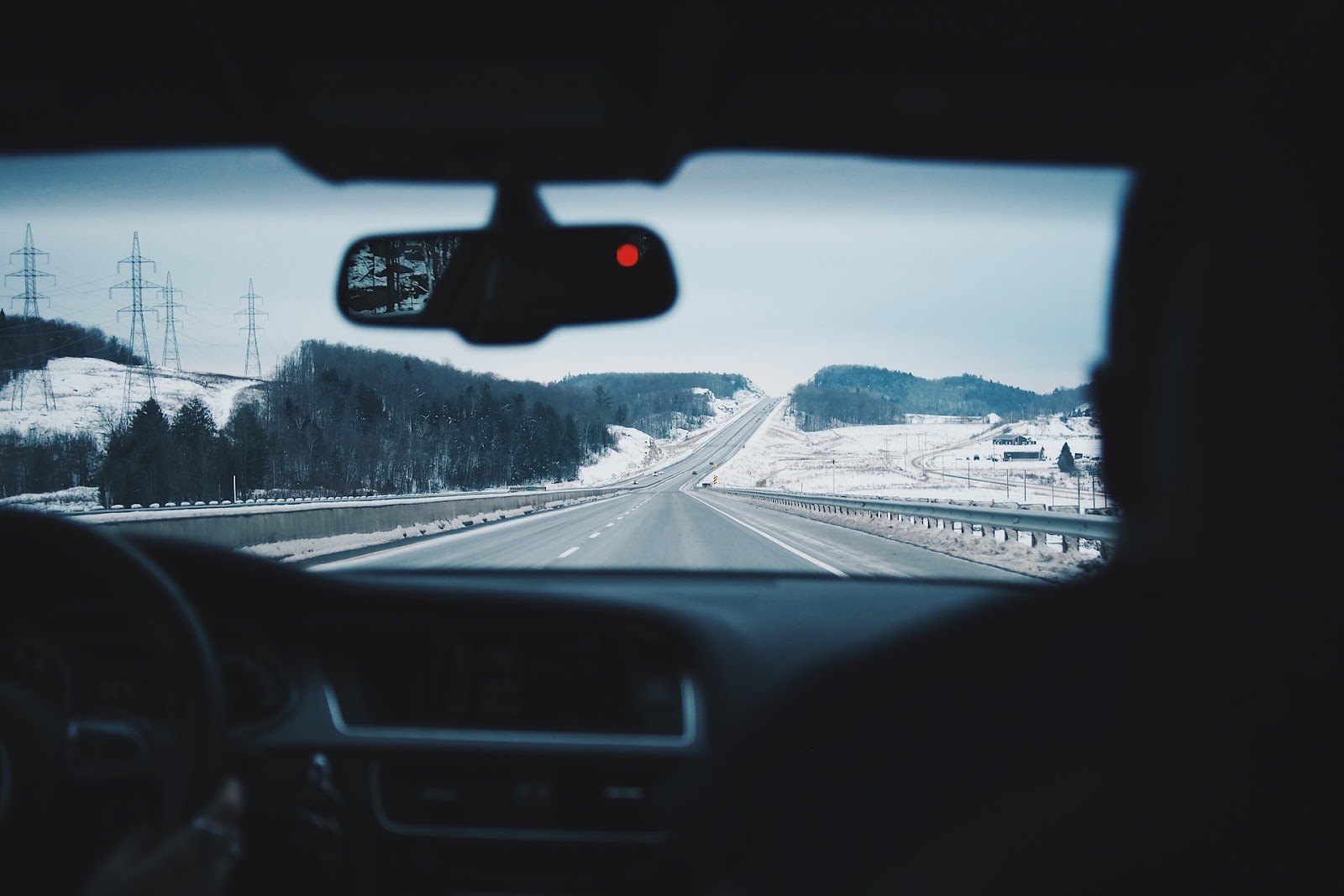
driving-916405_1920.jpg

1. Do not use cruise control while driving on slippery or wet surfaces. This will only slow the reaction time if you come into a situation where you need to take control of the vehicle.

2. Keep your gas tank at least half full. This way if you are in an accident you can keep warm while waiting for help. Keeping half of your tank full will also help prevent your car pipes from freezing.

3. Whenever possible, let your engine and heater run enough to remove the chill. Waiting in the driveway for your car to heat up may seem like a waste of gasoline, but this will help conserve gas while on the road and prevent any damage to your vehicle.

4. Check that your windshield wipers are in proper working order. Wipers with rubber blades will help prevent ice from forming and allow for proper usage in winter weather.

5. Know your car! Every car handles differently in winter weather. You should know what your car can and cannot handle in the snow. Know if your car has front wheel, rear wheel, or four wheel drive and make sure you understand how it handles in the winter weather.

The best way to prepare for winter driving is to educate yourself. Knowing what to pay attention to when winter approaches helps to avoid those nasty winter accidents. If you have any other questions about winter driving, check out our website at kuehnmotors.com.

Thursday, October 22, 2015

Choosing Tires for the Right Season


Winter is getting closer, and that means snow and ice will be on the roads. It’s important to ask yourself whether or not you have the right tires to get you through the season. There are three different types of tires: winter, summer, and all-season.

Winter Tires
Winter tires are great for the same season they are named. They can be easily identified by the deep, jagged grooves and squared off shoulders. However, the most striking difference is something you can’t see with the naked eye. Winter tires use a special rubber compound that does not harden as the temperature gets colder, making the grip on snow and ice much better than other tire options.

This may sound like everyone should purchase some winter tires and throw them on their vehicle, but there are actually some drawbacks that will make you think twice. The price of the better grip on the roads is that you will have poorer handling, and stopping distances will be increased. Your tires will also wear more quickly, and will cost more as you must replace them more frequently. Cars.com recommends that if you are generally driving on roads that are plowed and dried, winter tires are probably not for you.
           
Summer Tires
In contrast to winter tires, summer tires have shallow grooves that seek to maximize contact with the pavement. On the other hand, summer tires also use a softer compound which seeks to increase contact with the road surface as well. However, this does not mean the compounds are the same. Winter tires go soft in the cold but are too soft when it is warm. Summer tires are soft in the heat but become hard and stiff in more frigid temperatures. The maximization of contact with the pavement allows summer tires to have great handling and high grip. Once again, these benefits come with trade-offs. Summer tires will wear more quickly than all-season tires, and can also be very noisy at times.

All-Season Tires
All-season tires sound like they might be the best of both worlds. However, this is not necessarily the case. As Cars.com states, “They do everything reasonably well though they excel at nothing in particular.” The main benefits of all-season tires are that they aren’t as noisy in the summer and they are up to the challenge of snow and ice in the winter. An added benefit is that they last longer than single season tires, which saves you some money because you won’t have to replace the tires as often.

What Tires Should You Use?
If you’re buying tires, Edmunds.com has two guidelines they suggest you follow. The first is to know what your needs are and the conditions you drive in. If winter is approaching and you live in the country where the roads are often unplowed, winter tires may be a good idea for you. The second is to find a source that you know is knowledgeable and trustworthy to recommend which tires may be best for you.

Basically, you should do your own research on tire types as well as tire dealers, and narrow down some of your options, and know your needs. Once you have that information, a dealer can help you make sure you have the right tires for the right season. For more tire and car maintenance tips in an season, head over to our Facebook page.

Friday, February 6, 2015

Tips For Safe Driving In Snow

Here in Minnesota, it is essential to know how to drive in the snow.  In Rochester, Minnesota, the average snowfall each year 48 inches. Take a look at these tips to make sure that you will be able to drive safely in during the winter months this year:

  • Be prepared. Make sure your tires have at least 6/32-inch of tread.  Having bald tires will make your car slip much more often. Traction on your tires is essential for safe winter driving.  Also, be sure to check your antifreeze level, and make sure that your defroster is working properly.  In addition, equip your car with a ice scraper, snow shovel, and flashlight, and a some non perishable food in the case you get stranded.

  • Don’t follow the car in front of you too closely.  While the road might seem fine to you, there may be a patch of black ice you don’t see.  Putting enough room between you and the next car will allow you some room in case you start slipping, or if any other issues occur.  The recommended distance for winter driving is about four car lengths

  • Don’t slam on the brakes.  When your car starts slipping on ice, your first reaction may be to slam on the brakes.  Don’t do this.  Slamming on the brakes removes the traction between the ground and your wheels and you will not be able to control your car.  Once you feel your car slipping, instead of braking, ease up on the gas and steer towards the direction of safety.

  • Drive slowly.  The most common error in winter driving may be driving too fast.  Driving too fast may will reduce your reaction time if a problem occurs, such as ice or the car in front of you braking.  In addition, it takes your ten times longer to brake on ice than regular pavement.  

  • Most importantly, give yourself more time to arrive at your destination.  If it normally takes you fifteen minute to get to work, during the winter months, give yourself at least twenty-five minutes to arrive.  Before driving, make sure your windows are completely clear of ice.  Once your start driving, take your time and look ahead of you in traffic.

Following these tips will help keep you safe during the winter months- drive safely and arrive safely!

Monday, January 19, 2015

What Do You Do If You Get Stranded In Your Car?

Getting stranded in your car is something we hope never happens to you. However, in Minnesota, it happens. If you find yourself in this situation someday, make sure you are prepared. Read over this list to make sure you know what to do if you find yourself stranded in the winter.

1) First of all, be prepared. Before you ever find yourself in this situation, make yourself an emergency kit in your vehicle. A good rule of thumb to follow when creating an emergency kit is to make sure you have enough supplies to last for 72 hours (check out this emergency kit list for ideas). In addition to this kit, you should also make sure you have jumper cables and extra gas.

2) Try to make it out. Without putting too much strain on your engine, see if it is possible to give your car the extra boost it needs to get out. It also may be possible that your car needs the assistance of somebody also pushing the car.

3) If possible, contact somebody. Use your cell phone to first contact the authorities to let them know you need assistance. In addition, let family members know where you are as well.

4) Ration out supplies. Once you are settled in, it is time to look at the supplies you have on hand and divide them out between all of the people in the vehicle.

5) Run the engine intermittently. Run your engine around 15 minutes every hour. This will help keep your car warm, but won’t expose you to a deadly buildup of carbon monoxide and also will help save gasoline.

6) Leave the dome light on. Not only will this help you see inside the car, it will help people passing by see your car more easily. If you are not able to start the car, however, be aware that the dome light will drain the battery, and only use it when absolutely needed.

7) Keep moving. It is important to avoid getting frostbite. Keep moving by constantly wiggling your fingers and toes. This will help your circulation.

8) Share body heat. If there are other people in the car, huddle together. The shared body heat will keep you warmer.

9) Tie a bright colored cloth to your antenna to help make your car more noticeable.

10) Most importantly, stay calm. We know this is easier said than done, but it will make your time stranded much more manageable. Staying calm and clear header will allow you to think more clearly to be able to decide your next move.

Wednesday, November 5, 2014

You Might Be Ready For Winter, But Is Your Car?

In Minnesota, there’s no telling when winter will hit. By September, we’ve already stocked up on boots, winter jackets, mittens and hats -- just in case. You feel ready and prepared for the cold, snowy season to arrive, but is your car ready?

Just like winterizing your house and throwing on an extra layer before you leave for work in the morning, your car needs winterizing, too. There’s no avoiding the winter, so the sooner you prepare for it, the more comfortable you’ll feel when the first snowflakes hit the ground.

Here are some tips on how to get your car ready for winter! 

Make sure you have enough antifreeze: If you run low on coolant, that water in your radiator can freeze, which prevents it from flowing freely and cooling the engine. If this happens, your engine can overheat, despite the cold temperatures outside.

Make sure your tires have adequate tread: If the treads are worn on your tires, replace them. Or, better yet, invest in a set of snow tires. Snow tires have better traction in snowy weather and are equipped to better handle treacherous winter driving.

Check your wiper blades: It’s a good idea to get a set of winter wiper blades. These cut through snow and ice better to keep your view of the road clear and unobstructed.

Get a pre-winter tune up: Bring your car into Kuehn Motors for an inspection before winter comes. We can check the battery, antifreeze level, thermostat, heater, brakes and defroster to make sure all systems are functioning properly.

Get a good wash and wax: Rinsing off the road salt throughout the winter can protect the paint on your car, but go the extra mile and get a good wash and wax before the elements hit to better protect the appearance of your car!

If you follow these tips, you’ll be in good shape -- even when there’s 11 inches of fresh powder on the ground.