Wednesday, January 13, 2016

Snow Hacks: What To Do If You Get Stuck in the Snow

Getting your vehicle stuck in snow and ice can be a very likely possibility with winter driving. To prepare yourself in the case of a winter emergency, read the following tips to prepare yourself in case you get stuck in the snow.

3663145_e73022a217_z.jpgBe Prepared
Ready your car for the brutal winter driving season by ensuring that it is in peak form. Have it serviced at the beginning of the season, switch out your tires for winter tires (or, at the very least, make sure they are in excellent condition), check that all lights are working and that all fluids are filled, and never drive with less than half a tank.

Image by Michael Pereckas via Flickr

If you don’t already have an emergency snow kit in your car, compile one now. At a minimum, you should have a windshield scraper and brush, spare windshield washer fluid, clothing (extra sweatshirts, gloves, scarves, hats, boots), chemical hand warmers, traction aid (sand, rock sand, kitty litter, cardboard, metal cleats), and a shovel. See more tips in our "Winterizing Your Vehicle" blog.

Stay Calm
As with all emergency situations, it doesn’t help to panic. Remain calm and proceed with a clear and calm mind. A level head is the first and best tool you will need if you get stuck in the winter.

Clear the Tailpipe
This step is essential in preventing deadly fumes from entering your car. snow spit up from spinning wheels or slippery ice can accumulate and block your tailpipe without you realizing it.

Try Digging Yourself Out
Do what you can to clear as much snow away from the tires as you can. Remove packed snow and ice and be careful not to puncture your tires. after you remove as much as you can, add sand, rocks, or kitty litter to the ground behind your tires to create traction.

Rock Yourself Out
If possible, engage your all-wheel or four-wheel drive and set your car on the lowest gear. Slowly try to back up or drive forward. If you are making even a few inches of progress, keep at it until you have enough traction to drive out. Be careful, though. If your tires are spinning, stop immediately, as this will only dig your car in deeper. Rocking your car back and forth should be done carefully, and only as a last resort as it could seriously kill your transmission when not properly executed.

Turn Your Wheels
Another way to find traction is to turn your steering wheel in different directions as you try to drive your way out. This can give you extra traction, but it can also dig your tires in further, so don’t overdo it. When possible, add more sand or kitty litter to the marks from your tires.

Important Tips to Remember
  • If you can, remain in your car with the heat on. The dangers of being outside can include frostbite and possibly getting hit by a passing car.
  • Know when to rest and know when to stop. Don’t exert yourself to the point of exhaustion, and don’t do extensive damage to your car.
  • Less can be more. You shouldn’t need to slam on the gas to get unstuck. You might be surprised at how little power and pressure you need to get out.

Once you have pulled yourself out of danger, drive to the nearest rest stop or gas station to assess any damage. For more tips on what to do if you get stuck in snow, read these Winter Survival Tips from the Minnesota Department of Public Safety.

Thursday, December 17, 2015

Winterizing Your Vehicle - Part 2

Cold temperatures, snowstorms, and icy roads have already begun in Minnesota and, as sad as it is to admit, it will only get worse. Winter can be a disaster for cars. However, there are steps you can take to winterize your car and make it as safe and reliable as possible for the coming months.


Emergency Kit
Everyone should have an emergency kit in their car over the winter. This kit should include items that can keep you warm, keep you hydrated, and items that may be able to get you out of your situation. Take a look at this article if you would like a more detailed list of items.


Check Your Engine
The cold weather can wreak havoc on the belts and tubes around your engine. Just like other materials, they can expand and contract in extreme weather. It’s a good idea to go to a mechanic to have them looked over to ensure the connections and your engine are in working order.


Keep Your Tank Full
If you let the gas in your car get too low, water can condensate on the sides of the gas tank. The water then will drip down into the gasoline when it thaws, and make its way into the fuel lines. Once it is there, it has a good chance of freezing meaning gas won’t be able to reach the engine. What this means is you’re stuck, and it’s going to cost you to have it fixed. The bottom line is to keep that gas tank full.


Check Your Oil
Cold temperatures can cause engine oil to become thicker. This can affect your engine’s performance. That’s why, during colder months, it is a good idea to change your oil and use oil that has a lower viscosity (thickness).


Check Your Battery
We’ve all seen two cars facing each other in a parking lot with their hoods up and cables attached to the batteries while it’s ten below zero outside. If you have never experienced it for yourself, you have to admit, it doesn’t look fun. Checking your battery before winter means checking the wires and clamps for frays and cleaning off any corrosion that may have formed. If you haven’t had your battery changed in the last three to five years (or longer), it may be time to consider a new battery.


Taking these steps not only ensures you will get from point A to point B but also keeps you safe. You don’t want to be stranded, but you definitely don’t want to be stranded and in danger. For more winter tips, check out our previous blog on winterizing your vehicle. Keep track of Kuehn Motors on Twitter and Facebook.

Thursday, November 19, 2015

Avoiding Winter Weather Mayhem

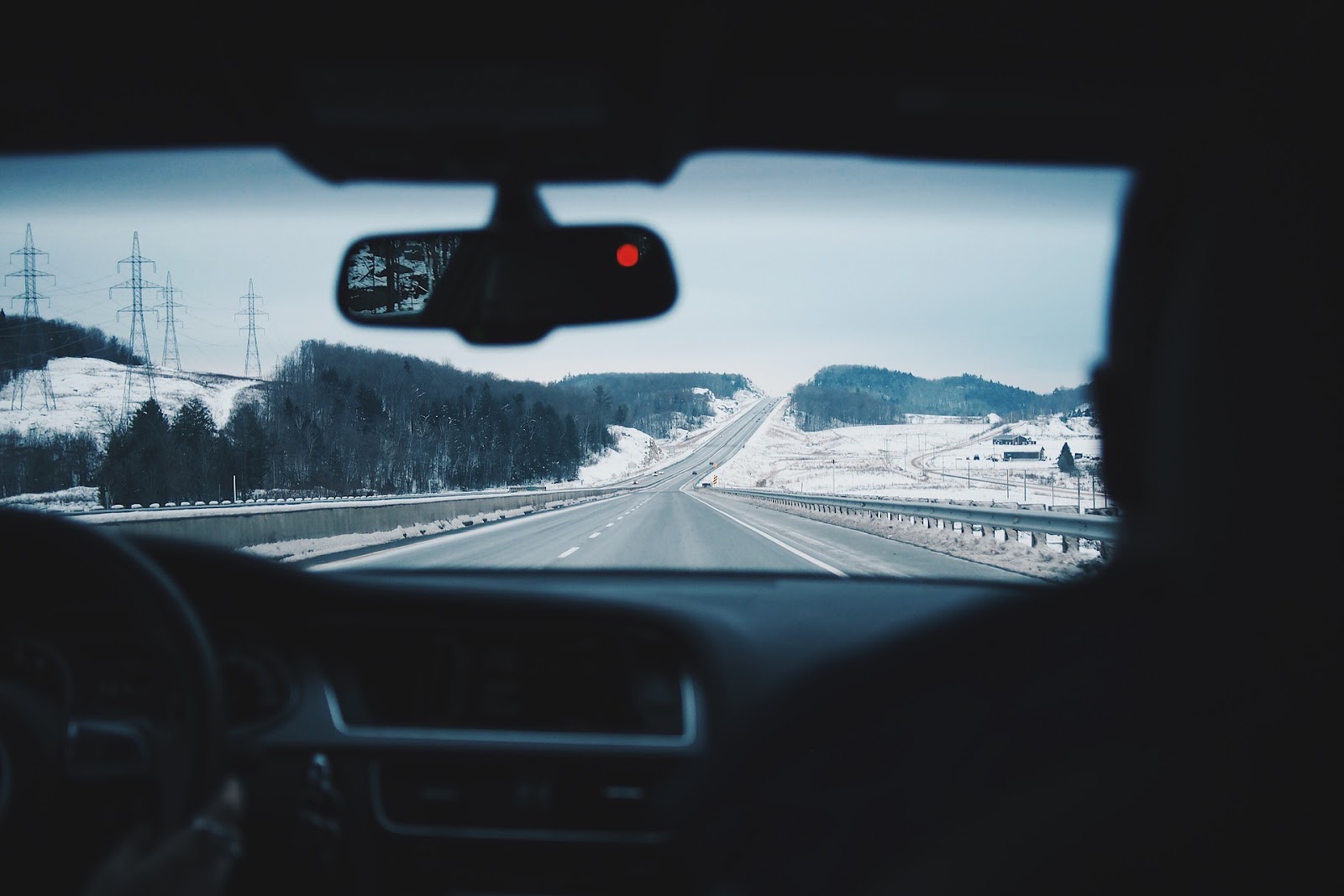
Although winter hasn’t officially hit yet, it is creeping ever closer. Each year there are nearly 1.5 million vehicle accidents that are associated with the poor weather conditions - a statistic that is very preventable, just by being a prepared and knowledgeable winter weather driver. Here are five tips for being a safer winter driver to help you prepare before the snow flies:

driving-916405_1920.jpg

1. Do not use cruise control while driving on slippery or wet surfaces. This will only slow the reaction time if you come into a situation where you need to take control of the vehicle.

2. Keep your gas tank at least half full. This way if you are in an accident you can keep warm while waiting for help. Keeping half of your tank full will also help prevent your car pipes from freezing.

3. Whenever possible, let your engine and heater run enough to remove the chill. Waiting in the driveway for your car to heat up may seem like a waste of gasoline, but this will help conserve gas while on the road and prevent any damage to your vehicle.

4. Check that your windshield wipers are in proper working order. Wipers with rubber blades will help prevent ice from forming and allow for proper usage in winter weather.

5. Know your car! Every car handles differently in winter weather. You should know what your car can and cannot handle in the snow. Know if your car has front wheel, rear wheel, or four wheel drive and make sure you understand how it handles in the winter weather.

The best way to prepare for winter driving is to educate yourself. Knowing what to pay attention to when winter approaches helps to avoid those nasty winter accidents. If you have any other questions about winter driving, check out our website at kuehnmotors.com.

Thursday, October 22, 2015

Choosing Tires for the Right Season


Winter is getting closer, and that means snow and ice will be on the roads. It’s important to ask yourself whether or not you have the right tires to get you through the season. There are three different types of tires: winter, summer, and all-season.

Winter Tires
Winter tires are great for the same season they are named. They can be easily identified by the deep, jagged grooves and squared off shoulders. However, the most striking difference is something you can’t see with the naked eye. Winter tires use a special rubber compound that does not harden as the temperature gets colder, making the grip on snow and ice much better than other tire options.

This may sound like everyone should purchase some winter tires and throw them on their vehicle, but there are actually some drawbacks that will make you think twice. The price of the better grip on the roads is that you will have poorer handling, and stopping distances will be increased. Your tires will also wear more quickly, and will cost more as you must replace them more frequently. Cars.com recommends that if you are generally driving on roads that are plowed and dried, winter tires are probably not for you.
           
Summer Tires
In contrast to winter tires, summer tires have shallow grooves that seek to maximize contact with the pavement. On the other hand, summer tires also use a softer compound which seeks to increase contact with the road surface as well. However, this does not mean the compounds are the same. Winter tires go soft in the cold but are too soft when it is warm. Summer tires are soft in the heat but become hard and stiff in more frigid temperatures. The maximization of contact with the pavement allows summer tires to have great handling and high grip. Once again, these benefits come with trade-offs. Summer tires will wear more quickly than all-season tires, and can also be very noisy at times.

All-Season Tires
All-season tires sound like they might be the best of both worlds. However, this is not necessarily the case. As Cars.com states, “They do everything reasonably well though they excel at nothing in particular.” The main benefits of all-season tires are that they aren’t as noisy in the summer and they are up to the challenge of snow and ice in the winter. An added benefit is that they last longer than single season tires, which saves you some money because you won’t have to replace the tires as often.

What Tires Should You Use?
If you’re buying tires, Edmunds.com has two guidelines they suggest you follow. The first is to know what your needs are and the conditions you drive in. If winter is approaching and you live in the country where the roads are often unplowed, winter tires may be a good idea for you. The second is to find a source that you know is knowledgeable and trustworthy to recommend which tires may be best for you.

Basically, you should do your own research on tire types as well as tire dealers, and narrow down some of your options, and know your needs. Once you have that information, a dealer can help you make sure you have the right tires for the right season. For more tire and car maintenance tips in an season, head over to our Facebook page.

Thursday, October 8, 2015

Trick-or-Treat Safely This Halloween

It’s that time of year again when the streets are filled with sparkly fairy wings, Spider-Man masks and candy is on the dinner menu. As Minnesotans, we prepare for cold weather when finding a costume and cross our fingers that we don’t have a repeat of the blizzard of ‘91. Besides the weather, there are other things to keep in mind when trick-or-treating with your little Cinderella or Scooby-Doo.

autumn-218804_1280.jpg

Before Heading Out:
Kids can be stubborn when it comes to costumes, but try to compromise with a few things to keep them safe. If their costume involves a face mask, be sure they are able to see clearly through the eye holes. If they cannot, try using face paint instead.

Remind them of the rules of the streets such as looking both ways before crossing. There will be tons of other children out trick-or-treating and it’s important to be aware of your surroundings. It’s best to let them know to never leave your side.

10701967196_39dd70327a_z.jpg
Photo by George Rulz via Flickr

While Trick-or-Treating:
Wearing shoes that fit well is incredibly important. First, they need to keep you warm and second; they need to be comfortable enough to last all night. It will be tempting for children to run from house to house, but you should always walk. The middle of the road is not where you want to spend your time, even if it is a small neighborhood. Stick to sidewalks or on the edge of the street.

According to the National Highway Traffic Safety Administration, twice as many kids are hit by a car while walking on Halloween than any other day of the year. These tips are important to follow when keeping you and your children safe on Halloween.

Also, bring a flashlight to help you see, and to help others see you. Make sure to only enter a home if you know who they are and only trick-or-treat in well-lit homes. It’s a good idea to avoid dark homes.

Once You’re Home:
It’s important that you check the candy your children have received. Make sure they only eat the factory-wrapped treats and avoiding homemade items. It’s also good to make sure they are eating the candy in moderation. Too much at once isn’t healthy for anyone.

It can make you a little nervous with all these things to worry about, but there’s one more thing you should be sure to do... HAVE FUN! Take tons of pictures and enjoy your family night on this wonderful holiday.

Sunday, September 13, 2015

The Best Minnesota Fall Colors Road Trips

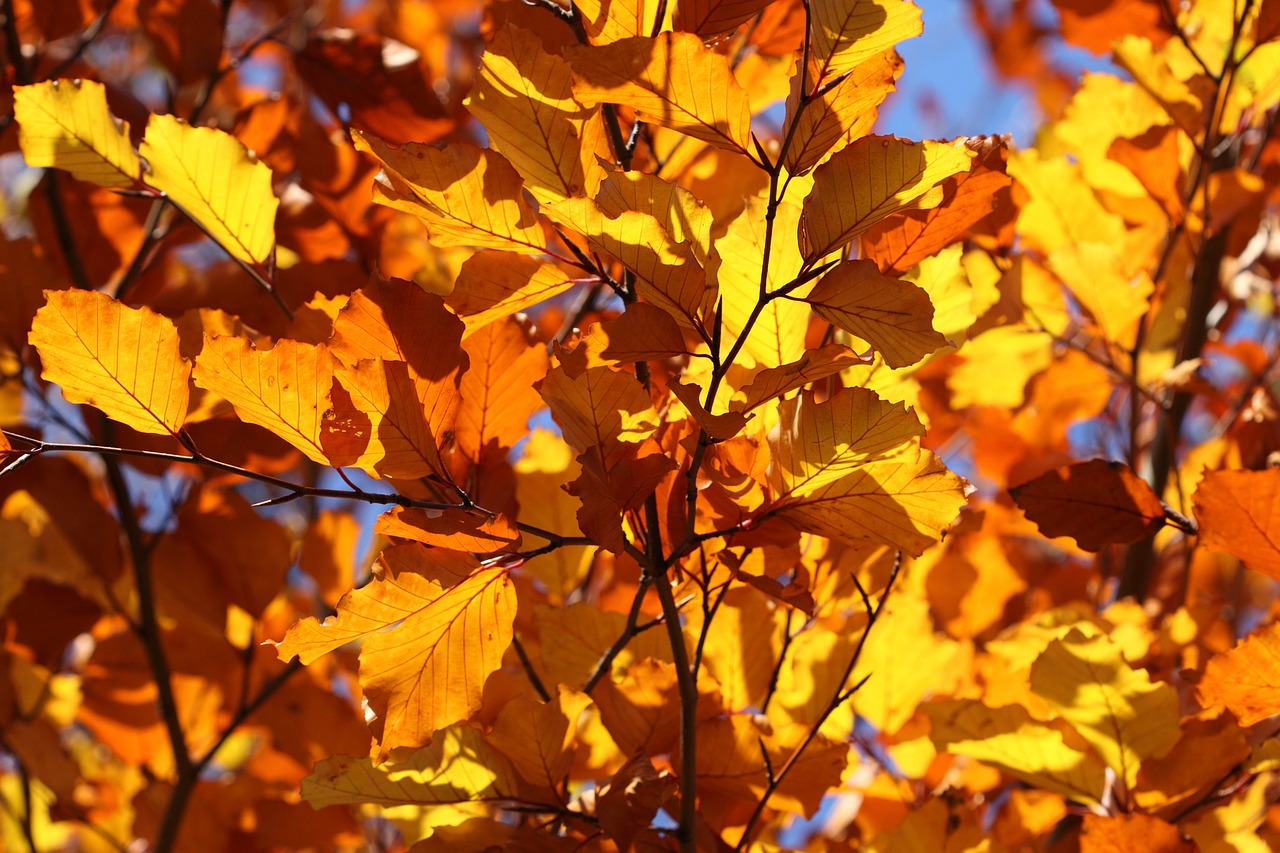
As summer comes to an end, the temperatures slowly become cool again. Some people dread thinking about the upcoming colder months and the sandals they will soon have to give up. Before rummaging through your closet for snow boots and a winter coat, think about taking a few more road trips before the snow flies. Minnesota is known for its abundance of lakes and outdoor beauty, so why not take a road trip to discover perhaps the most beautiful season in Minnesota? Here are four of the best places to see fall colors in Minnesota:

fall-foliage-640070_1280.jpgMississippi River Bluffs | Winona, MN
The abundance of bluffs along the Mississippi River makes for great views. Take a hike up the 85-foot Sugar Loaf Bluff in Winona to admire the beautiful fall colors from above.

St. Croix River | Stillwater, MN
To get the full-color spectrum, consider visiting Stillwater along the St. Croix River. Enjoy paddlewheel river cruises, local wineries, breweries and fall festivals. If you can’t get enough of the fall colors there, consider taking a cruise along the river; there’s more than 165 miles of fall foliage!

leaf-2012_1280.jpgSawtooth Mountains | Lutsen, MN
Nothing compares to the heights you can reach in Minnesota than the Sawtooth Mountains. Enjoy the fall colors from top to bottom on the Alpine Slide or take a ride on the Mountain Tram to glide along the treetops.

Chain of Lakes | Minneapolis, MN
The Chain of Lakes - Lake Harriet, Lake Calhoun, Lake of the Isles, Cedar Lake, and Brownie Lake - provides miles of paved paths that link the lakes together. Walk, bike or skate around the lakes for an idyllic inner-city fall backdrop.

With the landscape we have in Minnesota, there are plenty of excellent locations to watch the changing colors not included on this list. Have a favorite? Let us know in the comments!

Tuesday, August 18, 2015

Care for Your Vehicle Year Round

With every season change, it is common to perform different maintenance checks  to keep your house running well. You clean and store away your patio furniture in the fall. You check the fireplace to make sure it runs for cold winter nights. You spring clean and declutter your home to start anew in the spring. What steps can you take to take care of your vehicle so it runs just as well as your home year round? Stay on top of general and seasonal maintenance with the following tips:

General Care
Perform regularly scheduled maintenance and lubrication checks using the manufacturer's recommended care. No single step will help your engine last year-round more than regular oil and filter changes. Change out and refill all other fluids that are necessary with the recommended type and viscosity. Flush the cooling system and change coolant once a year to prevent corrosion and residue from building up. To keep the exterior surface of your car in good shape, wash it regularly and apply a coat of wax every six months. Inspect and clean your tires, brakes, and wheel bearings to prevent any potential damage. To protect the interior, keep your car free of excess trash and dust.  Considering keeping a trash bag and quick wipes to clean spills immediately. Wipe and vacuum down your seats and mats to keep your car clean and smelling nice. For specific part-by-part care, check out the Car Bible.
5472572032_dfc3a90f20_z.jpg

Seasonal Care
If you live in an area with extreme seasonal differences like the Midwest, you understand that both summer and winter can wreak havoc on your vehicle. As a car owner, you understand that your car needs different care depending on the season.

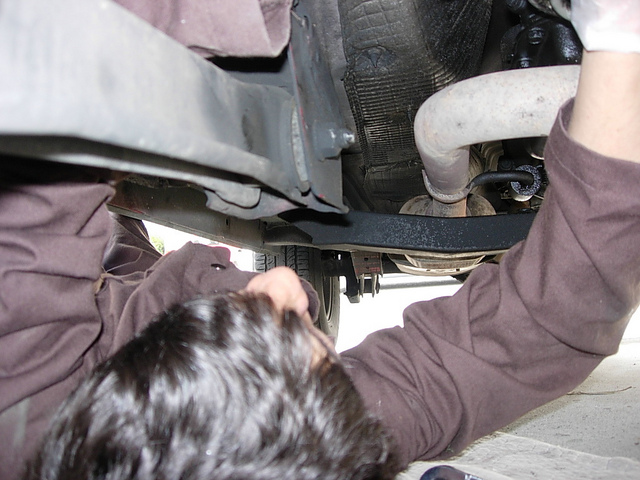
For spring and summer care, start by fixing all the damage the winter season has done to your car. Get a detailed car wash and wax to prevent rust and body damage. This will loosen any gunk that has accumulated on your car throughout the winter, both cleaning the underside of your car and possibly revealing any potential problems that escaped your attention through the season. If you have seasonal tire sets, switch back to your summer set for better fuel efficiency and a smoother journey.
auto-519834_1280.jpg
To prepare for the deep heat of summer, service your air conditioning and perform a coolant check to protect your engine from heat. Remember, heat can do as much damage to a battery as frigid temps can. Check for signs that your battery needs to be looked over, like a bulging or cracked battery case or corrosion buildup on wire connections. Lastly, change your air filter. No doubt it has clogged up with various leaf and plant debris, dirt, sludge, and road salt. A dirty air filter will diminish the productivity of your car and lower your fuel efficiency by as much as 10%.

For autumn and winter months, you want to prepare your vehicle to handle snow, ice, and extreme temperatures. The quality of your tires and battery are especially essential this season. Switch to your winter tire set for better traction and check to see that your battery is up to quality. Check that your heating system and oil filter are running smoothly and that all of your fluid levels are sufficient. Especially important, check your brake system, shocks, and struts, and replace them sooner rather than later because you certainly don’t want to be stranded in a snowbank.

Much of your yearly and seasonal car maintenance is to keep your car running well for whatever trip or journey you choose to embark on, but regular car maintenance and care can prevent dangerous accidents and save you thousands of dollars in damage repair. Nothing will let you enjoy a last-minute road trip more than being able to set off in a beautiful, well-maintained car.